Holidays and Cultural Traditions of Montenegro: 2026 Calendar and Customs
Life in Montenegro follows a rhythm set by public dates and religious customs. For expats and tourists, it is important to understand the structure of local holidays, as it directly affects the operation of government institutions, shops, and banks. In this section, we take a detailed look at Zakon o državnim i drugim praznicima (Law on State and Other Holidays), which regulates non-working days in the country.
Category materials cover the following topics:
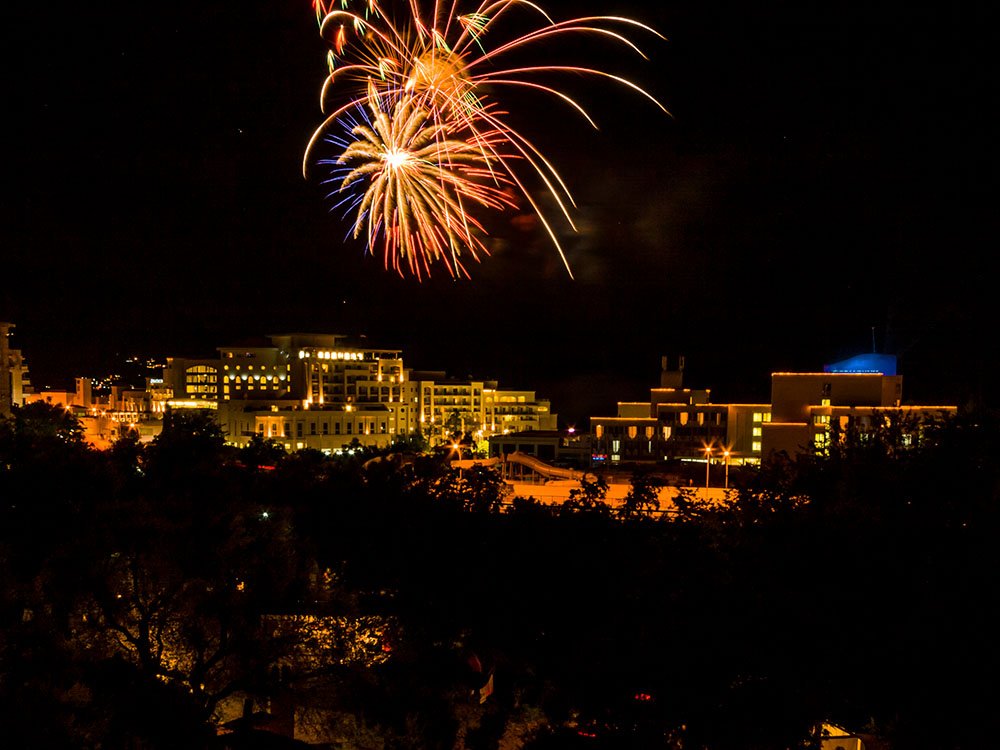
- Public holidays: Independence Day (May 21) and Statehood Day (July 13) — history and format of celebrations.
- Religious dates: Orthodox Christmas (Božić), Easter (Vaskrs), and Muslim Bayram. Features of a mixed confessional calendar.
- Krsna Slava: A unique tradition included in the UNESCO Intangible Cultural Heritage list. How to behave if you are invited to a Slava.
- Event tourism: Festivals, carnivals in Kotor and Budva, Mimosa Day in Herceg Novi.
Weekend transfer rule
Montenegro applies the following rule: if a public holiday falls on a Sunday, the following Monday and Tuesday are declared non-working days. This is critically important to consider when planning visits to the MUP (MUP) for residence permit applications or when planning shopping, as grocery stores are closed on public holidays.
Frequently Asked Questions about Holidays (FAQ)
What is Slava and is it a day off?
Slava is the day of a family's patron saint. It is not a public holiday for everyone, but according to the law, an employee has the right to an official paid day off on the day of their Slava (usually 1 day). The most widespread Slava is St. Nicholas (Nikoljdan) on December 19.
How do shops operate on holidays?
Large supermarkets and shopping centers (Delta, Kamelija) are completely closed on public and major religious holidays. Only duty pharmacies, bakeries, and gas stations remain open.
How is Christmas celebrated?
The main symbol of Montenegrin Christmas is not a Christmas tree, but the badnjak (oak branch). On Christmas Eve (Badnji dan, January 6), badnjaks are ceremonially burned in front of churches, symbolizing warmth and renewal.
Explore the articles below to integrate into Montenegro’s cultural environment and plan your time in advance according to the national calendar.