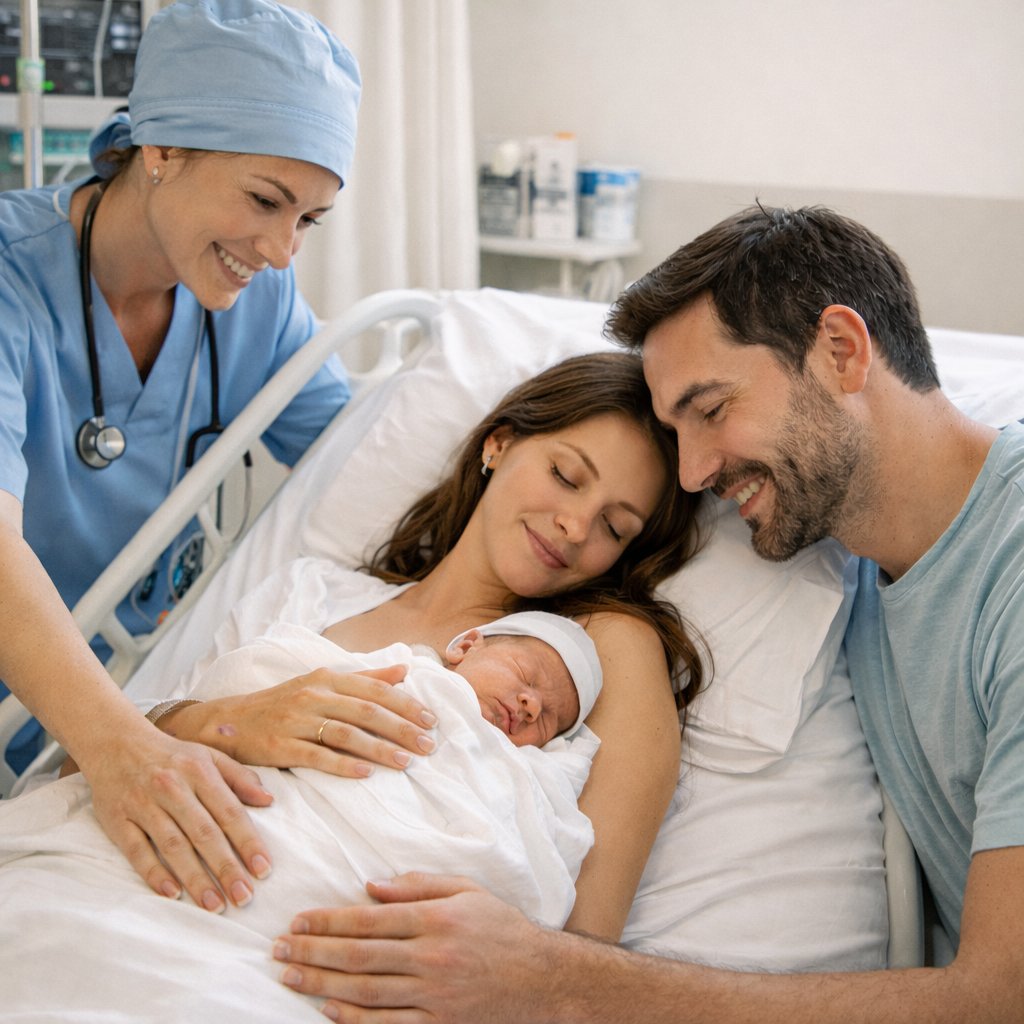
Childbirth in Montenegro: a guide for expats and tourists
Montenegro is not a “medical tourism” country in the conventional sense; however, many expats and long-term visitors choose to give birth here due to the favorable climate and affordable prices. The healthcare system has its own specifics: it is conservative, but complies with basic European protocols. Below is a detailed breakdown of the process: from pregnancy registration to obtaining documents for the child.Medical insurance and residence status
Access to healthcare directly depends on your legal status. Temporary residence permit (boravak) + state insurance (“green booklet”). If you or your spouse are officially employed, all procedures (pregnancy management, tests, childbirth, cesarean section) in public clinics are free of charge. Tourists and residence permit holders without insurance. All services are paid according to the price list. Prices are below the European average. Travel insurance. Standard policies usually cover only emergency cases and complications up to a certain term (often up to 24–31 weeks). As a rule, childbirth itself is not covered by travel insurance.
Important: European Health Insurance Cards (EHIC) are not valid in Montenegro, as the country is not part of the EU.
Pregnancy management
You must register at a local clinic (Dom zdravlja). With residence permit and insurance: You choose a state gynecologist. Appointments, ultrasounds, and basic tests are free. In Montenegro, ultrasounds are often performed at every visit (more frequently than in Western Europe). Paid: You may be observed in private clinics or by private doctors. Many doctors from public hospitals run private practices in the afternoon. Approximate prices (private sector): Consultation with ultrasound: 20–50 euros. Blood/urine tests: 7–100 euros (depending on complexity). Screenings (genetic risks): 50–100 euros.
Life hack: Paid observation by a doctor who works at your chosen maternity hospital is a good strategy. This ensures continuity of care, as this doctor may deliver your baby or supervise the process.
Where to give birth: maternity wards and clinics
There are no separate “maternity hospital” buildings in Montenegro. Childbirth takes place in maternity wards of general hospitals. Public centers: Podgorica (Clinical Center — the best equipped), Bar, Kotor, Cetinje, Herceg Novi, Nikšić, Pljevlja, Berane, Bijelo Polje. Private clinics: “Codra” (Podgorica) and “Meljine” (Herceg Novi, status may change — check current availability). Local childbirth specifics: Partner childbirth: Free of charge is possible at the Podgorica Clinical Center (not guaranteed, depends on workload). In private clinics — for an additional fee. In most regional hospitals, husbands are not allowed in the delivery room. Pain relief: Epidural anesthesia in public hospitals is rare (often due to a lack of anesthesiologists). In private clinics (e.g., Codra), it is available upon request. Cesarean section: The rate is high (up to 58% in some facilities).
Recommendation: In case of complicated pregnancy or expected complications, choose the Podgorica Clinical Center. This is the only tertiary-level facility with a full neonatal intensive care unit.
Cost of childbirth
If you do not have local insurance (health fund), expect the following expenses: Natural childbirth (hospital): 200–500 euros. Cesarean section (hospital): Higher cost, calculated individually. Private clinics: Full childbirth packages range from 500 to 2500 euros.Postpartum period and discharge
Conditions: Conditions in public wards are modest. Meals are basic (soups, bread); relatives often bring food. In public institutions, the baby is usually kept in a separate nursery and brought according to schedule. In private clinics — rooming-in 24/7. Length of stay: Discharge usually occurs on day 3 after vaginal delivery, on days 5–7 after cesarean section. Home visits: After discharge, a visiting nurse comes to the home 3–4 times (available to foreigners as well).Obtaining documents for the child
Birth on the territory of Montenegro does not automatically grant citizenship (jus soli does not apply). Citizenship is granted only by descent (if one parent is Montenegrin). Procedure for citizens of Russia and CIS countries: At the maternity hospital: Obtain the “List za novorođenče” (birth certificate) and discharge summary. Check the correct spelling of parents’ names. At the MUP of Montenegro: Register the birth. Documents: hospital certificate, parents’ passports, notarized translation of the marriage certificate. Result: Montenegrin birth certificate (Izvod from the register of births). Cost: ~15 euros. At your country’s consulate (e.g., RF in Podgorica): Register citizenship and obtain a birth certificate of your country. Apply for an international passport for the child (processing time 1–2 weeks). Applying for a residence permit for the child: After obtaining the passport, submit documents for “family reunification” at the MUP. Processing time: ~21 days.
Fines: You must register the child with the MUP within 30 days after birth. Late registration incurs a fine (from 5 euros and up) and requires a written explanation.