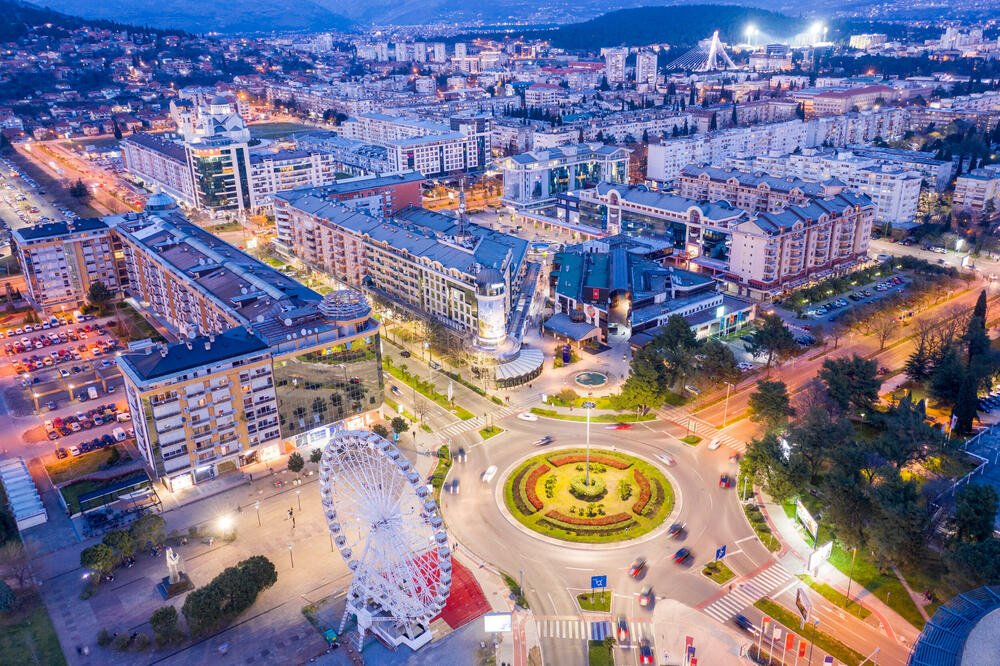
Overview of areas for relocation: where to live in Montenegro in 2025
Choosing a place to live in Montenegro depends on three factors: budget, the need for social infrastructure (schools, hospitals), and readiness for seasonal changes in lifestyle pace. The country attracts with its tax rate (9–15%), low crime level, and a cost of living that is 40–50% lower than in Western Europe.
Important: Public healthcare is available, but the system is overloaded. For a comfortable life, private insurance is mandatory. The average policy cost is about 300 euros per year per person.
Quiet areas: for privacy and remote work
This category is suitable for retirees, freelancers, and those seeking isolation from tourist noise. Key characteristics: slow pace of life, weak infrastructure in winter, and the need for a personal car.- Perast. Population about 300 people. The town is closed to car traffic (except for residents). There are no noisy clubs here, only restaurants at the Conte level.
Nuances: The nearest airport (Tivat) is 20 km away. In winter, the town almost dies out. - Petrovac. Located between Budva and Bar. Has sandy beaches (Lucice) and olive groves. Suitable for calm walks.
Nuances: There are tourists in summer, but fewer than in Budva. Few large hotels. - Lustica Peninsula. An option for complete eco-isolation. Villages like Rose and beaches like Plavi Horizonti are surrounded by nature.
Nuances: A car is critically important. Minimal number of shops and pharmacies. - Bigova and Njivice. Fishing villages with a traditional way of life. Bigova (near Tivat) is convenient for boat owners. Njivice (near Herceg Novi) borders Croatia and offers hiking trails.
- Zabljak. Mountain north. Fresh air, ski resort.
Nuances: Cold winters with a lot of snow; heating is expensive.
Budget: Rent for a one-bedroom apartment in these locations ranges from 550 to 700 euros per month. Consider fuel costs, as public transport is poorly developed.
Family neighborhoods: schools and safety
The priority in these areas is the availability of educational institutions (including international ones), parks, and pedestrian zones.Tivat and Porto Montenegro
The most modern and safest coastal city. It hosts the British school Knightsbridge Schools International.- Pros: Parks, marina, cleanliness, English-speaking environment.
- Cons: The highest rent in the country. A three-bedroom apartment costs about 1200 euros.
Podgorica (Capital)
The best price-to-quality ratio of infrastructure.- Areas: Zabjelo, Ljubovic (new buildings, affordable prices), City Kvart (student and business center), Gorica C (elite, quiet, embassy district).
- Pros: Access to the best healthcare, public and private schools, year-round life.
- Cons: One hour drive to the sea, extremely hot summers (+40°C).
Suburbs of Budva and Kotor
- Becici and Rafailovici: Good beaches, many activities for children. Downside — noise and crowds during the season.
- Dobrota (Kotor): An elongated settlement along the bay. Quieter than Kotor center, has a promenade. Near QSI school (bus service).
Recommendation: For families with a budget from 2000 euros/month, Tivat is ideal. If the budget is limited, choose Podgorica (areas near Ljubovic Hill) — cheaper rent and groceries.
Urban areas: pace and career
For those who need coworking spaces, shopping malls, and transport accessibility.- Podgorica. The only fully urban center. Headquarters of companies and the airport are concentrated here. Modern housing, many new buildings.
- Budva. The center of tourism and nightlife. In winter, life slows down, but commercial infrastructure operates. Suitable for those in the tourism business.
- Bar. A city with wide streets, a port, and ferry connections to Italy. Operates year-round, less tourism-dependent than Budva.
Expat neighborhoods: community and residence permits
Foreigners choose locations where it is easier to socialize and legalize their stay.- Tivat (Donja Lastva, Porto). Premium segment. High concentration of English-speaking expats and yachtsmen. Near the airport. Prices at European levels.
- Budva. The largest Russian-speaking community. Many kindergartens, interest clubs, and services in Russian.
- Herceg Novi. The "most botanical" city. Popular with expats from Serbia and Western Europe. Real estate and land are often cheaper than in Tivat.
- Ulcinj. The most budget-friendly option in the south. Strong Albanian cultural influence, sandy beaches (Velika Plaza). Suitable for remote workers with limited budgets.
Finances: The average budget for a family of three in expat zones (Tivat, Budva) is 1400–1700 euros per month, including rent, groceries, and utilities.