Education in Montenegro: an Expat Guide 2025
Relocating to Montenegro with children confronts parents with a choice between full integration into the local environment and preserving a familiar educational curriculum. The education system here follows the Bologna Process. The main locations with developed infrastructure for Russian-speaking families are Budva, Bar, Tivat, and Podgorica.
Below is a detailed breakdown of options: from nurseries to universities, with prices and enrollment specifics.
Preschool Education (Kindergartens)
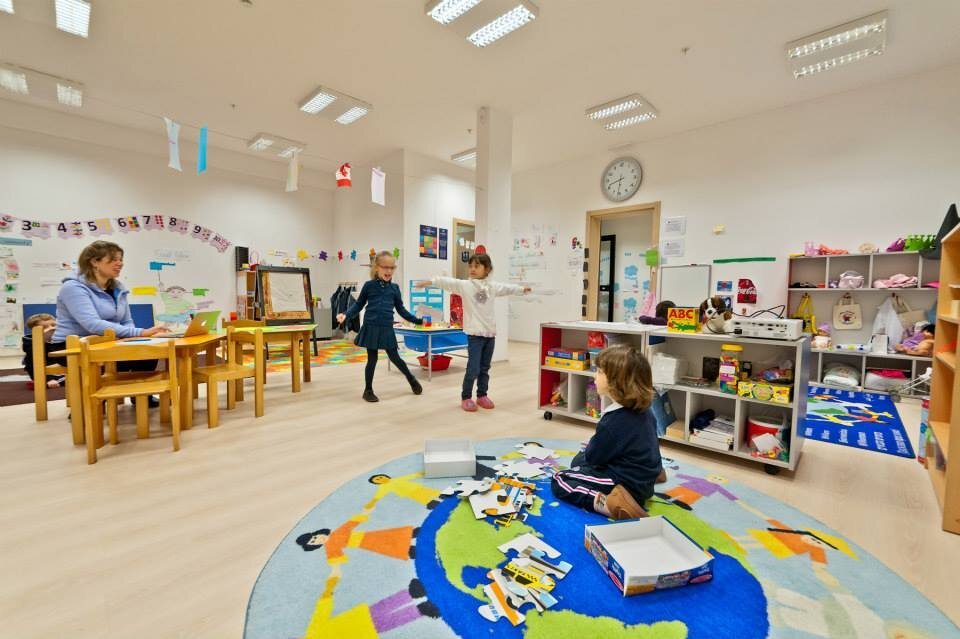
Kindergartens are divided into nurseries (1–3 years) and senior groups (3–6 years). The main focus is on socialization, play, and creativity. There is practically no academic load (reading, arithmetic), except in the preparatory group.
Public Kindergartens (JPU)
The most budget-friendly option. Instruction is conducted exclusively in the Montenegrin language.
- Cost: 40–50 euros per month (including meals).
- Conditions: Large groups (20–30 children). The price includes breakfast, lunch, naps, and outdoor walks.
- Features: In the final year, basic English and concept learning (colors, shapes) are introduced.
- Requirement: Available only if the child has a residence permit (boravak).
Private Kindergartens
An option for those who want to preserve a Russian-speaking environment or are looking for an individual approach. Most are concentrated in Budva and Bar.
- Cost: 200–500 euros per month.
- Features: Small groups, in-depth study of languages, music, gymnastics. Often organize off-site activities (picnics, water parks).
- Cons: Often a shortened day, meals may be paid separately or not provided, sometimes no nap time.
School Education
School is compulsory from age 6 (sometimes from 5). Education structure:
- Primary level (6–9 years).
- Lower secondary level (9–12 years).
- Upper secondary level (12–15 years).
After grade 9, students choose between a gymnasium (preparation for university) and a vocational school (profession training for 3–4 years).
Public Schools (Osnovna škola)
Free for foreigners with a residence permit. No fees or entrance payments.
- Language: Montenegrin. English from grade 1, a second foreign language (often Russian, Italian, or German) — from grade 6.
- Schedule: Education often runs in two shifts.
- Atmosphere: Friendly, democratic, no strict dress code. Fewer cultural events than in Russian schools.
Private and Russian Schools
Suitable for those planning to return to Russia or enroll in European universities. Many issue certificates recognized in the Russian Federation and prepare students for the Unified State Exam or IB (International Baccalaureate).
Prices and school examples (as of 2025):
- Adriatic College (Budva): From 5,500 to 14,000 euros per year. Russian curriculum + IB, strong academic preparation, olympiads. Kindergarten available.
- Knightsbridge Schools International (Tivat): British curriculum. From 10,965 euros per year (without accommodation) to 31,500 euros (boarding). Instruction in English.
- Arcadia Academy (Tivat/Kotor): British system. From 5,000 euros per year.
- School-Kindergarten "Kompas" (Bar): Humane pedagogy, IT and ecology. Approximately from 1,500 euros per year. Certificates of Russia, Ukraine, or Serbia.
- Cambridge High School (Bar): American curriculum in Russian. From 480 euros per month (~5,760 per year).
- School at the Embassy of the Russian Federation (Podgorica): Grades 1–7. Classical Russian curriculum, strict compliance with Federal State Educational Standards.
- School 42 (Sveti Stefan): Small, “home-style” school without homework.
Enrollment Procedure and Documents
Enrollment in any educational institution (public or private) requires a standard set of documents. For private schools, the procedure is usually simpler and faster.
List of documents:
- International passport of the parent and child.
- Birth certificate (translated into Montenegrin by a court-certified translator).
- Medical certificate (issued by a local pediatrician after examination).
- For schools: student record or grade transcript from the previous school (with translation).
- For public kindergartens: certificate from parents’ workplace (sometimes required).
Higher Education
Although most expats consider European universities, Montenegro offers budget-friendly options. For example, the University of Montenegro offers programs starting from $1,000 per year, including courses in Russian language and literature.