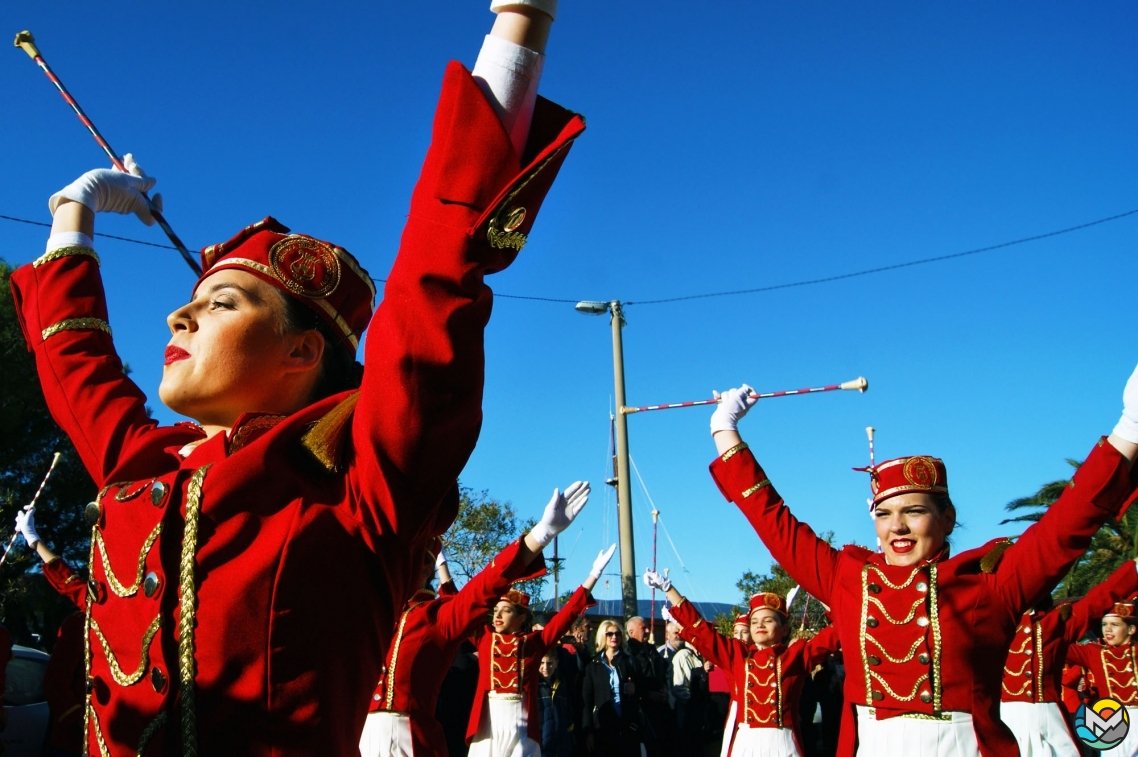
Mentality and Lifestyle
Montenegro is a country with a predominantly Orthodox population (about 70%), where Muslim and Catholic communities also coexist peacefully. The culture has been shaped by Mediterranean, Balkan, and Eastern traditions.The “Samo polako” Philosophy
The main trait of the local mentality is the phrase “samo polako” (slow and steady wins the race). The pace of life here is unhurried. Human relationships and communication always take priority over schedules and deadlines. Expect delays in business and bureaucracy — this is part of the local environment. In Montenegro, it is customary to begin any business or personal meeting with small talk about health, family, or the weather. Getting straight “down to business” may be perceived as rude.
Communication Rules and Etiquette
Montenegrins are open and hospitable but observe certain social rituals.- Greetings: At a first meeting — a firm handshake and eye contact. With friends, it is customary to hug and kiss on the cheek once; within the family — three times.
- Personal space: Distance during conversation is minimal. Close contact is not considered an invasion of personal space.
- Gestures: Use an open palm instead of pointing with a finger. Placing feet on furniture is strictly forbidden.
If you are invited to a home, be sure to bring a small gift: wine, chocolate, or flowers. Refusing offered refreshments (especially rakija or coffee) is considered impolite.
Dress Code and Behavior in Public Places
In cities and resorts, the rules are fairly flexible, but there are important restrictions:- Religious sites: When visiting monasteries (Ostrog, Morača) and mosques, shoulders and knees must be covered. Men are not allowed to enter in shorts; women are advised to have a headscarf.
- Urban environment: Outside beach areas, it is not customary to walk around in swimwear or bare-chested.
- Smoking: Smoking is very widespread despite official bans in public places. Be prepared for this in cafés and restaurants.
Loud noise during siesta hours or littering in national parks (Durmitor, Lovćen) can result in heavy fines.
Gastronomy and Social Rituals
Food in Montenegro is divided into coastal (fish, seafood, black risotto) and mountain (meat, pršut, cheeses) cuisine.- Coffee: This is the main social ritual. Business matters may be resolved over a cup of coffee, or hours may be spent in friendly conversation.
- Rakija: The national strong drink. A toast is made with the word “Živjeli!” (to health) and mandatory eye contact.
- Tips: In restaurants, leaving up to 10% of the bill is considered normal. In small cafés, rounding up the amount is sufficient.
Information for Expats and Long-Term Residents
Montenegro offers attractive conditions for relocation but has its nuances.Visas and Taxes
- Digital nomads: Can obtain a visa for up to 2 years with confirmed income of 1,350–1,800 euros per month.
- Taxes: Rates range from 9% to 15%.
- Cost of living: Renting an apartment on the coast costs 400–700 euros per month. In winter, electricity (heating) costs increase significantly.
Any long-term stay requires mandatory registration with the police or a tourist information office within 24 hours after entry (white card).
Useful Phrases for Integration
Knowing basic words in Montenegrin (a variant of Serbo-Croatian) greatly simplifies communication:- Zdravo — Hi / Hello.
- Hvala — Thank you.
- Molim — Please.
- Koliko košta? — How much does it cost?
- Račun, molim — The bill, please.
- Izvinite — Excuse me / Sorry.
- Sve može — “Everything is possible” (the motto of Montenegrin optimism).
- Idemo! — Let’s go!