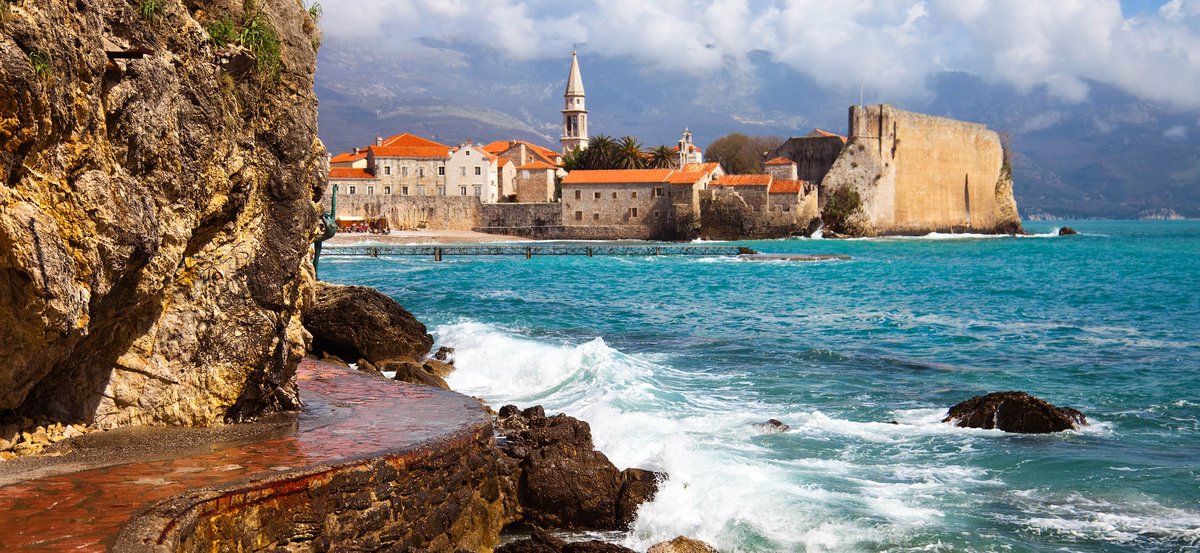
Where to Live in Montenegro in 2025: Overview of Cities, Prices and Conditions
Montenegro remains one of the most affordable destinations in Europe for relocation and investment. In 2025, the country shows GDP growth of 3–3.2% and is preparing to join the EU (tentatively in 2028). The main inflow of expats comes from remote workers and investors from Turkey, Germany, Russia and Ukraine, attracted by low taxes and a mild climate.
Budva: the center of tourism and dynamics
The most popular city among tourists. Suitable for those looking for an active social life and work in the hospitality industry.
- Pros: developed infrastructure, plenty of beaches, proximity to Tivat airport (25 min) and the capital.
- Cons: extreme crowds from April to October, traffic jams, lack of parking and high noise levels.
- Cost: one-bedroom apartment rent — 700–1200€; property purchase — 1700–3500€ per sq. m.
Bar: practicality and comfort for families
A large port city with wide streets and developed infrastructure. Considered one of the sunniest places in the country.
- Pros: works year-round (no “dead city” effect), railway connection to Belgrade, plenty of parks and olive groves.
- Cons: lack of an “old town” directly by the sea, industrial port areas, distance from major airports (45–60 min).
- Cost: rent — 600–800€; purchase — 1400–3000€ per sq. m.
Podgorica: the capital business hub
An administrative center without access to the sea. This is where embassies, company headquarters and the best shopping malls (Big Fashion) are concentrated.
- Pros: lowest cost of living, best healthcare in the country, functioning schools and universities.
- Cons: exhausting summer heat (up to +40°C), lack of sea air, aesthetics of concrete districts.
- Cost: rent — 450–600€; purchase — average price 2153€ per sq. m.
Kotor: history and aesthetics
A UNESCO-protected city located deep in the Bay of Kotor.
- Pros: unique architecture, breathtaking views, premium status.
- Cons: huge cruise liners bring up to 4,000 tourists daily; high humidity and lack of sun in winter due to the mountains.
- Cost: rent — 700–1000€; purchase — 2000–3500€ per sq. m.
Tivat: luxury and yachting
The most modern and “Europeanized” city thanks to the Porto Montenegro marina.
- Pros: cleanliness, safety, international school (Knightsbridge), proximity to the airport.
- Cons: the highest prices in the country, limited territory, little authenticity.
- Cost: rent — 700–1200€+; elite real estate in Porto Montenegro — from 8000–14000€ per sq. m.
Cost of living in 2025
Inflation in 2024–2025 amounted to about 4.8%, which affected supermarket bills and service costs.
- For one person: 800–1300€ per month (including rent).
- For a family of four: 2500–3500€ per month.
- Utilities: 80–170€ (electricity is the most expensive item in winter).
- Groceries: 300–500€ per person.
Practical tips on real estate and taxes
Montenegro has some of the lowest tax rates in Europe, making it attractive for business.
- Taxes: personal income tax and corporate tax — 9–15%. Property tax — less than 0.5%.
- Residence permit: can be obtained through the purchase of real estate (from 200,000€) or company registration.
- Legal cleanliness: when purchasing, always involve a lawyer. Avoid properties built in the 1990s–2000s without permits (legalizacija).
For a balance between price and quality of life in 2025, the optimal choice remains Bar or districts of Podgorica (City Kvart). For those who value status and comfort regardless of budget — Tivat.