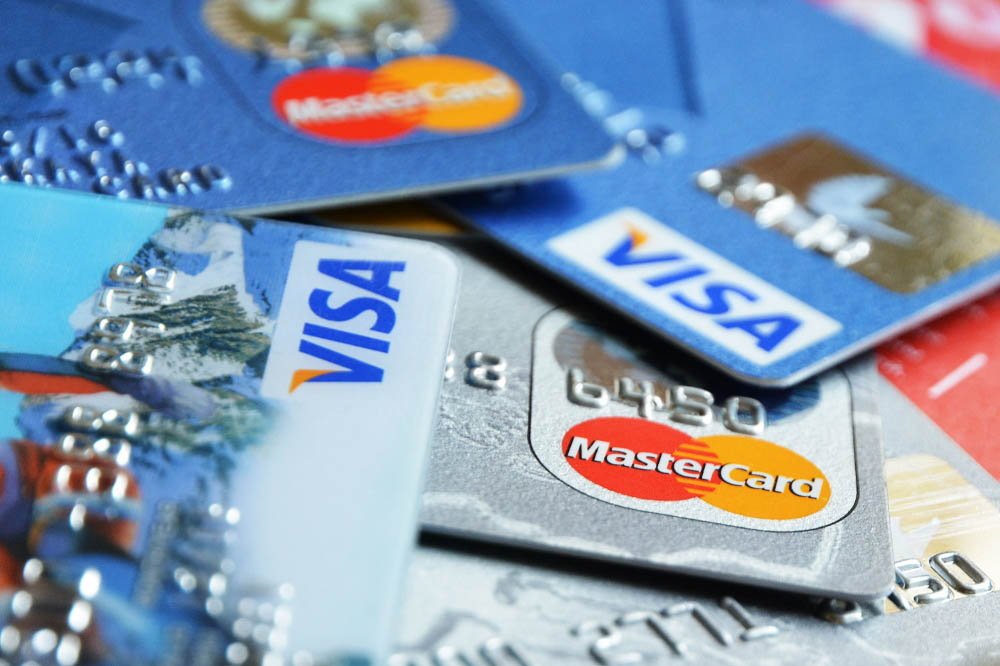
Banking System and Currency
Montenegro uses the euro (EUR) as its official currency, despite the fact that it is formally not part of the eurozone. The banking system is stable, and the Deposit Protection Fund operates, guaranteeing the return of deposits up to 50,000 euros per depositor (including non-residents) in the event of a bank bankruptcy.
An important milestone was Montenegro’s integration into SEPA (Single Euro Payments Area) as of October 6, 2025. It became the first Western Balkan country to join the system, enabling faster and cheaper euro payments with 40 European countries.
How a Foreigner Can Open an Account
The procedure for opening an account for non-residents has become stricter. Banks are required to conduct thorough due diligence checks to prevent money laundering. Remote account opening is not possible — a personal visit is required.
Opening Conditions
- With a residence permit (Boravak): Standard procedure, high approval chances, lower fees.
- Without a residence permit (Tourist/Non-resident): High risk of refusal without explanation. Justification is required: property purchase, company registration, or an employment contract.
Required Documents
The document package may vary depending on the bank, but the basic set includes:
- International passport (original and copy).
- National identity document (internal passport).
- Proof of residential address (rental agreement, “white card” — tourist registration, or a utility bill in your name).
- Proof of source of funds (employment contract, tax declaration, income certificate or equivalent).
- Bank statements from the country of residence for the last 6–12 months.
Sometimes a résumé (CV) or additional contact details may be requested.
Processing Time
The process takes from several days up to 2 weeks. The bank takes time to verify the client through its security service.
Choosing a Bank
There are 11 banks operating in the country. For expats and tourists, the following are the most relevant:
- Crnogorska komercijalna banka (CKB): Part of the Hungarian OTP Group. The widest network of branches (35) and ATMs (115). A good choice for everyday spending.
- Ziraat Bank: A Turkish bank. Popular among foreigners due to loyal fees and the ability to open accounts in different currencies.
- NLB Banka: A Slovenian group, often chosen for business accounts.
- Erste Bank and Addiko Bank: Austrian banking groups.
- Adriatic Bank (formerly Nova Banka) and Universal Capital Bank.
Fees and Charges (as of end of 2025)
Account Maintenance
- Opening: Free or up to 5 euros.
- Monthly maintenance (residents): 0–2 euros.
- Monthly maintenance (non-residents): May reach 10 euros.
- Mobile banking: Often charged separately (around 2 euros/month + 5 euros for a token).
Transfers (SEPA and domestic)
After joining SEPA, fees are strictly regulated:
- Domestic transfers: from 0.10 to 0.30 euros.
- SEPA transfer (individuals, 1st per day up to 200€): max. 0.02 euros.
- SEPA online (up to 20,000€): max. 1.99 euros.
- SEPA at branch (up to 20,000€): max. 3.99 euros.
- Incoming SEPA transfer (up to 20,000€): max. 1.99 euros.
For amounts over 20,000 euros, fees are higher (up to 25–50 euros).
Cash Withdrawals
- At your own bank’s ATMs: Free.
- At other banks’ ATMs (within the country): 1–2% (minimum 1–3 euros).
- Foreign cards: A fixed fee (3–5 euros) plus a percentage is often charged. Avoid conversion (DCC) — always choose debiting in euros.
Alternatives: Fintech Services
If opening an account in a local bank is difficult, consider international services.
Revolut
However, if you already have an account (opened with EU, US, UK documents, etc.), the card works in Montenegro without issues.
- Card and contactless payments (Apple/Google Pay).
- Cash withdrawals: up to 200 euros/month free (Standard plan), then a 2% fee.
- Currency exchange: no markup on weekdays (limit $1000 for Standard), weekends +1%.
Wise (formerly TransferWise)
A more accessible option for residents of Montenegro.
- Registration: Available from Montenegro. Verification by ID and address.
- Account: Multi-currency, with IBAN provided.
- Transfers: Cheaper than banks, at the mid-market rate with fees from 0.41%.
- Card: Not delivered to Montenegro. You can use the account for transfers, but a plastic card cannot yet be obtained at a Montenegrin address.